Sustainable Production Trends: Lessons from a High Quality Automatic Assembly Machine Exporter
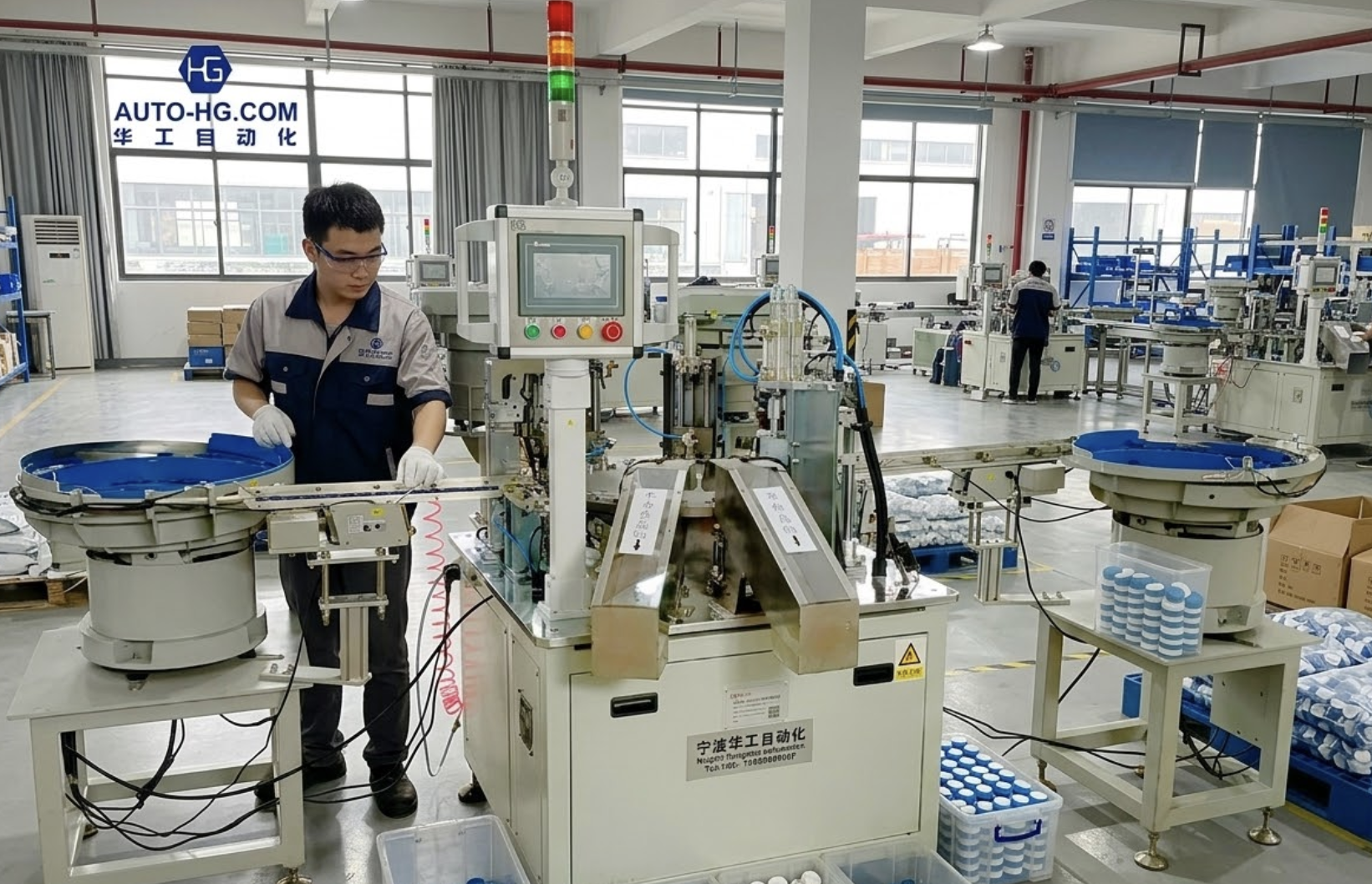
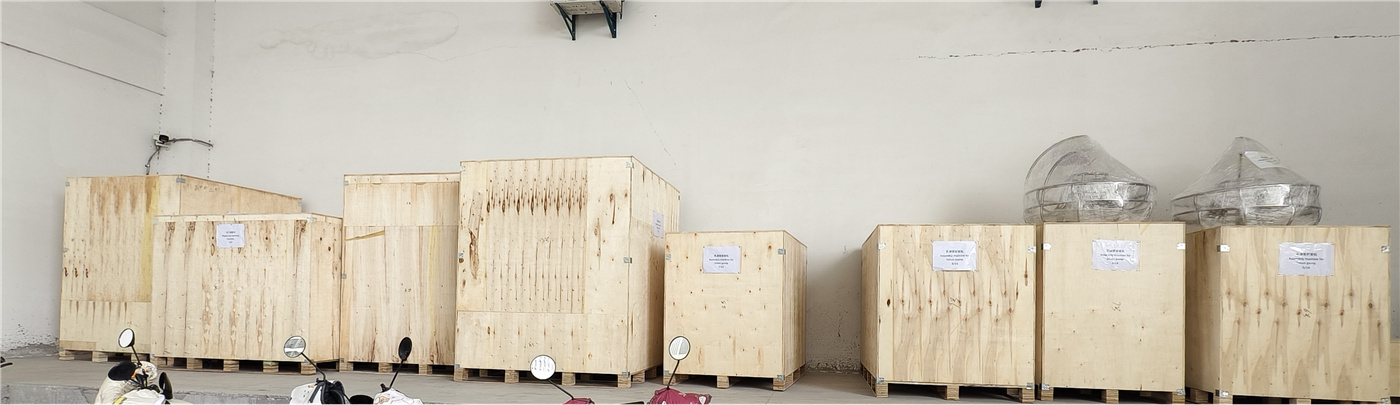
Yuyao, Zhejiang Oct 22, 2026 (Issuewire.com) - Across the global manufacturing landscape, a quiet but significant restructuring is underway. Factory operators in daily chemicals, cosmetics, personal care, and plastics manufacturing are navigating three converging pressures simultaneously: labor market instability, rising expectations around product consistency, and the growing compliance complexity that accompanies cross-border trade. Against this backdrop, the equipment choices manufacturers make -- and the suppliers they choose to make them with -- carry consequences that extend well beyond any single production line. Observing how a High Quality Automatic Assembly Machine Exporter (https://www.hgautomachine.com/automatic-plastic-parts-assembly-machine-product/) responds to these pressures reveals something instructive about where sustainable manufacturing investment is heading. Labor Automation Is a Stability Question, Not Just a Cost Question The conventional argument for automating assembly lines centers on reducing wage expenditure. That framing, however, understates what actually drives the decision for most manufacturers. Recruiting skilled line operators has become structurally difficult in many markets. Training cycles consume time and budget. Manual assembly also introduces quality variance that grows harder to manage as production volumes scale. Modern assembly equipment increasingly addresses these realities through design. Single-operator machine configurations, intuitive HMI touch screen controls, and built-in self-inspection systems with multi-level safety protection reduce the operational burden on individual workers rather than simply replacing them. Frequency-controlled drives further contribute to energy-efficient operation. The practical result is a production environment that remains stable even as labor market conditions fluctuate -- which is precisely the kind of resilience manufacturers are now prioritizing. Catching Defects at the Source, Not at the End Inline quality governance represents one of the more consequential shifts in modern assembly thinking. Traditional quality control relies on end-of-line inspection -- a model that allows defective units to consume materials and machine time before the problem surfaces. That approach carries hidden costs in waste, rework, and throughput loss. A more sustainable model embeds verification within the assembly process itself. Automatic detection of missing components, for instance, halts production before an incomplete unit advances further down the line. Integrated online inspection functionality -- built directly into specific assembly stages rather than appended afterward -- catches dimensional or seating issues at the moment they occur. This structural shift from reactive to preventive quality management reduces material waste, lowers rework rates, and produces more consistent output per production hour. For manufacturers supplying quality-sensitive categories like skincare dispensers or pharmaceutical packaging, the operational value of that consistency is difficult to overstate. The Russian Export Project: What Custom-Fit Assembly Reveals In late 2025, Ningbo Huagong Automation Technology Co., Ltd. (https://www.hgautomachine.com/about-us/) completed and shipped a fully customized thread pump assembly system to a client in Russia. The project comprised four specialized machines engineered around the client's specific production stages: a Piston 3-Part Assembly Machine running at 100 to 160 pieces per minute, a Pump Body 7-Part Assembly Machine handling seven distinct components at 60 to 90 pieces per minute, a Head Cap Assembly Machine with integrated online inspection at 60 to 90 pieces per minute, and a Tube Insertion Machine operating at 90 to 120 pieces per minute. The project illustrates a point that generic equipment catalogues tend to obscure. Assembly line sustainability does not come from over-specifying capacity. It comes from matching machine architecture precisely to the client's production requirements. A custom-fit system avoids the inefficiency of machines running at a fraction of their rated capacity, reduces changeover complexity, and generates fewer post-installation adjustments. Each unit in the Russian project passed final factory acceptance testing before disassembly and packaging -- a process that itself reflects deliberate engineering: precision components protected individually, customized reinforced wooden crate structures, and all spare parts and instruction manuals clearly labeled and packed for on-site identification. Delivery as a Continuity Commitment The gap between machine installation and stable production output is where many automation investments underperform. Equipment that arrives without adequate documentation, commissioning support, or operator training frequently spends its first months generating avoidable downtime rather than productive output. A more sustainable delivery model treats post-shipment continuity as part of the original project scope. In the context of sustainable production, delivery continuity has a specific meaning: the gap between machine installation and stable full-speed output should be as short as possible. Free installation and commissioning reduce that gap. Operator training delivered at handover -- rather than weeks later -- means production staff are capable from day one rather than learning on the job. A 2-hour response SLA on support calls limits the duration of stoppages during the first months of operation, when new equipment is most likely to require adjustment. The Russian export project described above passed full factory acceptance testing before shipment precisely to minimize this post-installation adjustment period. Cross-Sector Adaptability and the Plastics Manufacturing Case Sustainable automation investment increasingly favors equipment with cross-sector applicability. The Automatic Plastic Parts Assembly Machine offers a useful illustration. Designed for plastic parts manufacturing with applications across cosmetics, daily chemicals, cleaning products, and disinfectant production, the machine combines a low failure rate with energy-saving PLC frequency control and a whole-body self-inspection system. Capacity runs at 60 to 90 pieces per minute under fully automatic operation, with a single operator requirement. For manufacturers operating across multiple product categories -- or anticipating product line expansion -- this kind of cross-industry flexibility reduces capital risk. A machine architecture that transfers across sectors without requiring complete retooling lowers the total cost of production diversification. That flexibility has become a meaningful selection criterion as more manufacturers pursue product portfolio broadening as a hedge against single-category demand volatility. Certification as a Global Trade Enabler Certification (https://www.hgautomachine.com/our-certificate/) infrastructure intersects with sustainable production in a specific way: for manufacturers supplying regulated markets in Europe or North America, using certified assembly equipment simplifies production documentation requirements at audit time. ISO 9001-governed manufacturing processes generate traceable records at each production stage -- incoming inspection, assembly, detection, and shipping -- that align with the traceability documentation increasingly required by cosmetic and pharmaceutical brand owners. EU CE certification ensures that the equipment itself does not become a compliance liability during facility audits. For exporters like Huagong Automation (ISO 9001, CE-certified, High-Tech Enterprise 2024), this certification stack functions as an operational enabler for their manufacturing clients, not just a procurement checkbox. What the Trends Indicate Taken together, the production trends examined here point toward a consistent conclusion. Sustainable manufacturing investment concentrates on equipment that stabilizes labor dependency, embeds quality governance within the process rather than appending it afterward, adapts to client-specific requirements without excessive over-engineering, and arrives with a service architecture capable of supporting long-term production continuity. The export practices and engineering decisions of assembly equipment suppliers like Huagong Automation offer a working model of what that investment profile looks like in practice -- and why manufacturers evaluating automation upgrades increasingly look beyond unit specifications to the full scope of what a supplier brings to the table. Further information is available at https://www.hgautomachine.com/.
Source :Ningbo Huagong Automation Technology Co., Ltd.
This article was originally published by IssueWire. Read the original article here.

India vs New Zealand T20Is Get A New Bizarre Streaming Platform
Cricket fans in New Zealand now have a new way to watch India vs New Zealand T20 as the opening six overs of the series is set to be streamed live on TikTok.

Even if Michael Carrick stays at Manchester United one thing cannot be ignored
Michael Carrick is fighting for his job after Man United were battered 4-1 by Como in the Champions League on Wednesday evening.
Philippines’ Eala ousted as Rybakina moves into Ningbo Open last 8 on return from injury
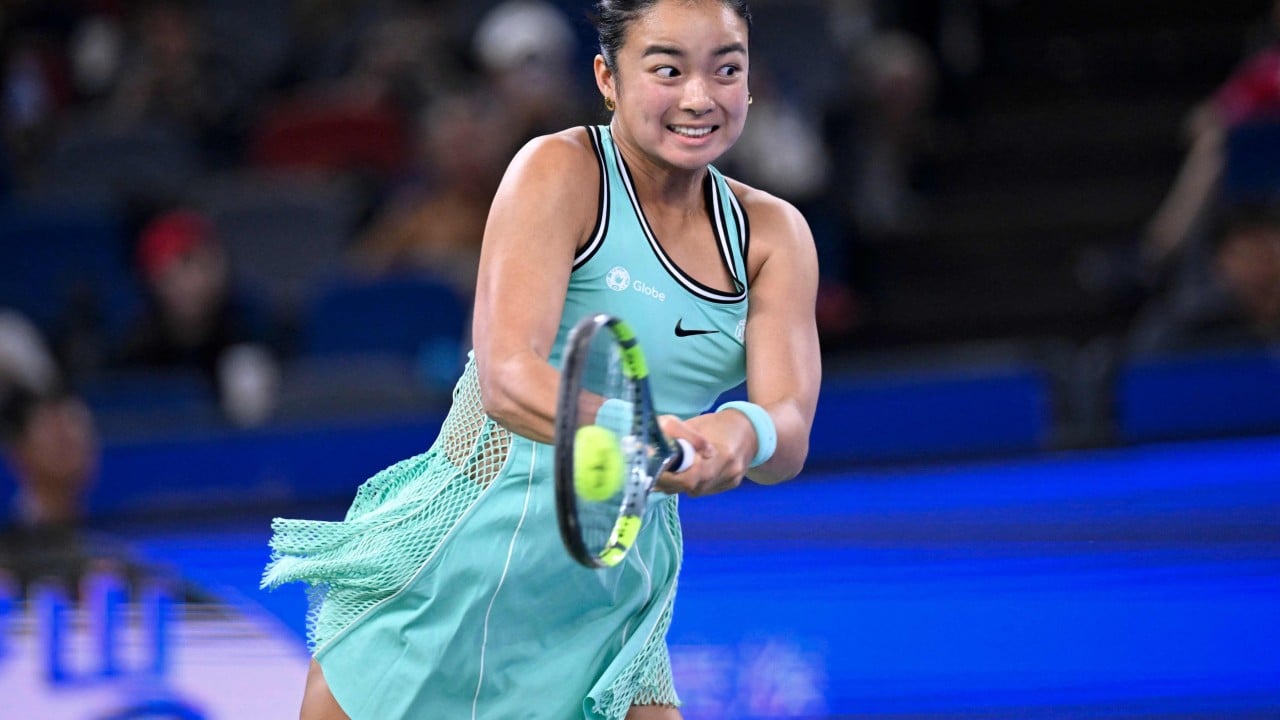
Alexandra Eala crashed out in the Ningbo Open last 16 on Thursday as world No 1 Elena Rybakina reached the quarter-finals on her return from injury when opponent Polina Kudermetova retired. Top seed and defending champion Rybakina was cruising 5-0 in eastern China when the world No 105 from Uzbekistan called it quits because of injury. Earlier, Philippine history-maker Eala suffered a battling straight-sets defeat to Diana Shnaider, the Russian world No 13 winning 7-5, 6-4 to book a...
Ayush Shetty, Tanvi Sharma Exit French Open Badminton
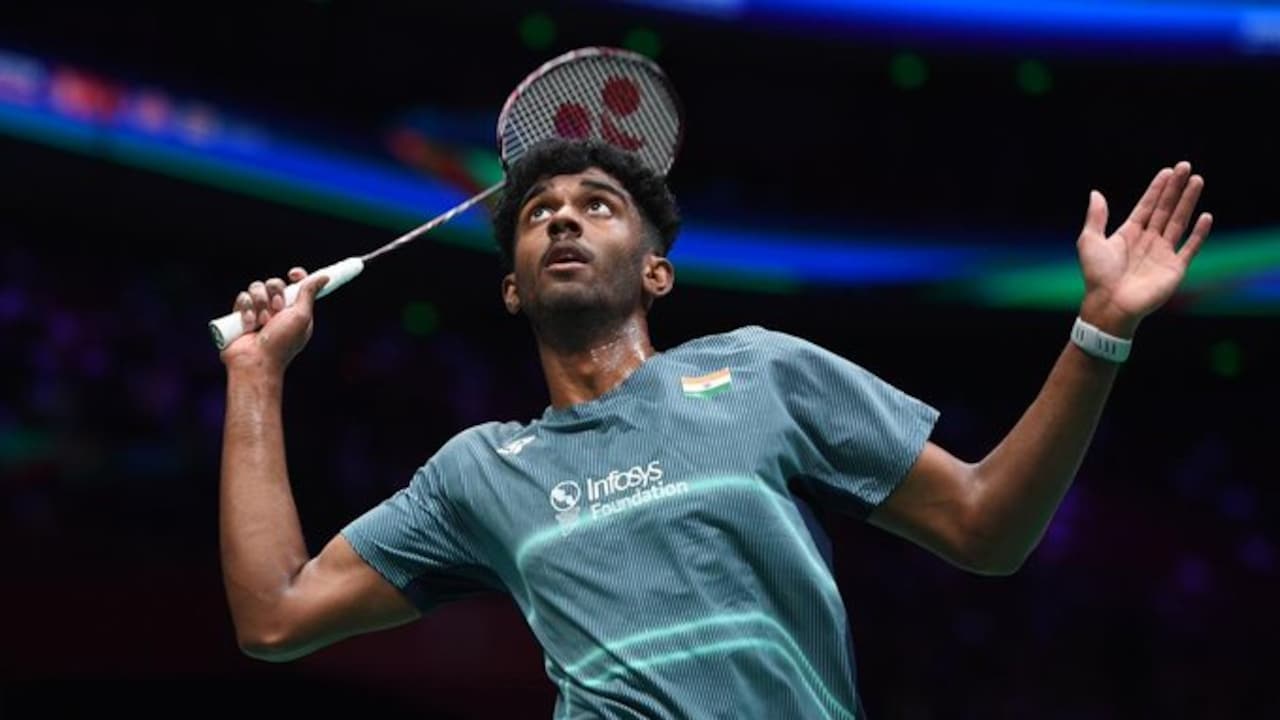
Indian shuttlers Ayush Shetty and Tanvi Sharma bowed out in the pre-quarterfinals of their respective events of the USD 950,000 French Open badminton tournament in Paris on Thursday.

Man City charges LIVE: Owners 'warned', appeal 'to drag on' despite EFL sanction stance
MEN Sport brings you the latest Manchester City Premier League charges as we await the outcome of the club's appeal

Harry Brook Breaks Shubman Gill's Huge World ODI Record, Scripts History For England
Harry Brook's effort was two balls less than Shubman Gill's record of 116 balls which the Indian made against West Indies at Guwahati last month.

Top-Ranked Elena Rybakina Into Ningbo Quarter-Finals On Return From Injury
World number one Elena Rybakina reached the quarter-finals of the Ningbo Open on Thursday on her return from injury when opponent Polina Kudermetova retired.

Sanju Samson Reveals Secret Behind India's Historic Chase vs New Zealand In 1st T20I
Sanju Samson's 33-ball 67, studded with eight fours and four sixes, set up India's four-wicket win in the five-match T20I series opener.

Sanju Samson Sets Up India's Record Chase In First T20I Against New Zealand
Sanju Samson maintained his remarkable consistency this calendar year with a sublime 67 off 33 balls as India pulled off their highest chase in T20 cricket, overcoming a mid-innings stumble for a four-wicket win in the series-opener against New Zealand in Christchurch on Thursday.

How Olivia Culpo and Christian McCaffrey's Little Girl Colette Is Handling Her New Big Sister Duties With Baby Roman
Olivia Culpo and Christian McCaffrey's daughter Colette has taken to her new role with kisses for baby brother Roman. Aunt Sophia Culpo shares the sweet update, while Christian jokes about his sleep.
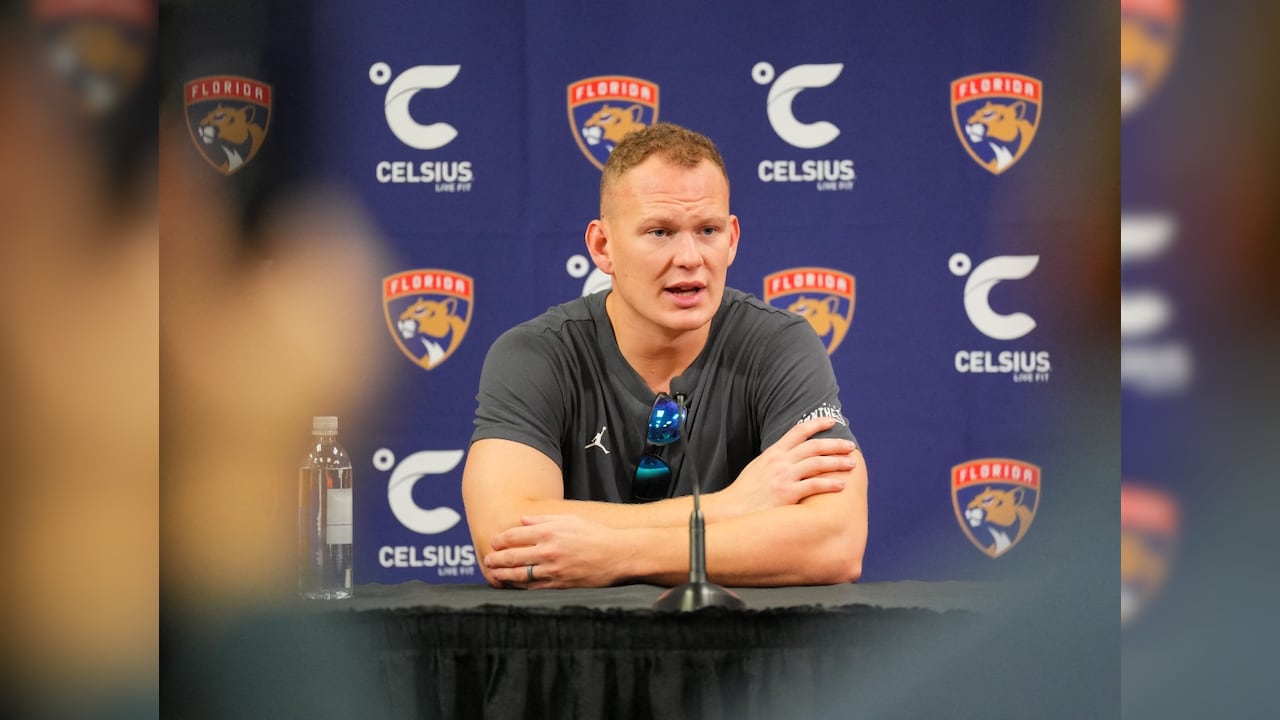
Florida Panthers' Brady Tkachuk Booed By Ottawa Senators Fans In First Game Against Former Team
Brady Tkachuk faced loud boos, chants and jerseys thrown onto the ice during his first game against the Senators as a member of the Florida Panthers. Tkachuk later said the crowd’s reaction would not change how he felt about Ottawa and its fans.

LeBron James grappling with life without wife and daughter as details emerge on their decision not to move to New York
James' farewell tour began on Tuesday night as he took to the court for the first time as a Philadelphia 76er during a season-opening win over the New York Knicks.
YOUR NEWS, OUR NETWORK.
Do you have Great News you want to tell the world?
Be it updates about your business or your community, you can make sure that it’s heard by submitting your story to our network reaching hundreds of news sites across 6 verticals.
About Us
Everybody can’t get enough of sports be it football, rugby, cricket even athletics. From local cup to super cup to world cup, there’s enough sports to be enjoyed every minute of every day
News